September 23, 2026
Persistent drainage issues cause significant disruption in modern households. Homeowners often struggle with water backing up in sinks, showers, and toilets without realizing the underlying triggers behind these recurring blockages. Understanding why drains continuously fail allows residents to take proactive measures before minor slow drains turn into major plumbing emergencies. Identifying these primary factors provides actionable insight into long-term prevention and effective system management.
Daily household activities continuously send waste, organic material, and foreign objects down waste lines. While occasional slow drainage seems minor, unresolved blockages can damage internal pipe structures and cause costly wastewater backflow. Establishing a proactive maintenance schedule that includes routine drain cleaning keeps water moving freely and protects the structural integrity of residential pipe networks. By adopting simple preventative habits, families can avoid unexpected repair expenses and maintain reliable plumbing performance.
1. Accumulating Hair and Soap Scum in Bathroom Pipes
Bathroom sinks and shower stalls face relentless daily exposure to loose hair strands and personal care product residue. As hair enters drain lines, individual strands cling to pipe interior walls and create mesh-like nets. These internal nets catch incoming soap particles, skin cells, and grooming products, rapidly restricting wastewater flow and forming dense, stubborn blockages near drain openings. Over time, these combined materials create resilient obstructions that simple water pressure cannot dislodge.
Soap scum forms when fat compounds in traditional bar soaps interact with dissolved minerals found in tap water. This reaction creates a sticky residue that coats pipe walls, narrowing the internal diameter of drainage lines. Over time, this thick coating hardens and catches additional debris, making natural water displacement nearly impossible. Integrating professional drain cleaning every one to two years according to HomeGuide prevents these sticky deposits from creating permanent plumbing blockages.
Homeowners can minimize bathroom blockages by installing fine mesh drain strainers over shower and sink openings. Clearing captured hair after every use prevents large bundles from entering municipal or septic drainage connections. Rinsing drains weekly with hot water helps dissolve soft soap residue before it solidifies into dense pipe obstructions. These basic preventative measures dramatically reduce the frequency of bathroom plumbing interruptions.
2. Solidifying Cooking Grease and Oils in Kitchen Drains
Kitchen sinks frequently receive warm fats, cooking oils, and liquid grease during food preparation and dishwashing routines. Although these substances flow easily while hot, they quickly cool and solidify once inside dark underground plumbing lines. The resulting waxy coating adheres firmly to metal and PVC pipe surfaces, steadily narrowing the channel required for wastewater exit. As the waxy layers build up, even clean water struggles to pass through the constricted line.
Hardened grease acts as a powerful adhesive that traps passing food bits, coffee grounds, and paper debris. As subsequent dishwashing cycles send more warm liquid fats down the line, new layers congeal over existing obstructions. Scheduling professional drain cleaning helps remove stubborn grease buildup before completely sealed pipes cause greasy, foul-smelling backflow in kitchen sinks. Recognizing the accumulative nature of lipid deposits helps households adjust their daily kitchen disposal habits.
Preventing grease-related plumbing failures requires proper oil disposal practices throughout the household. Liquid fats should be collected in heat-resistant containers and discarded in solid waste bins rather than poured down sink basins. Running cold water while operating disposal units prevents warm fats from distributing evenly along pipe interiors, reducing the rate of grease accumulation. These consistent habits safeguard kitchen piping from costly blockages.
3. Washing Solid Food Waste in Kitchen Drains
Disposing of leftover food items directly down kitchen sinks creates severe mechanical and structural drainage challenges. Expansive food materials such as uncooked rice, pasta, and dry coffee grounds absorb residual standing water inside traps. As these organic compounds swell, they form dense sludge plugs that prevent normal water movement through branch lines. Even small food scraps accumulate over weeks to restrict total wastewater flow.
Garbage disposals grind food into smaller pieces, but fibrous materials still present major blockage hazards. Stringy vegetables, celery stalks, corn husks, and potato peels wrap around disposal blades and lodge in drain pipes. Applying specialized drain cleaning methods dissolves organic material buildup, ensuring that food scrap residue does not create dense blockages deep within the plumbing system. Proper disposal operation combined with water flushing keeps waste moving downward.
Responsible kitchen waste management relies heavily on scraping plates directly into compost bins or trash receptacles prior to washing. Using removable sink strainers catches stray food particles before they enter narrow drain necks. Rinsing sink lines with baking soda and vinegar offers a safe domestic method for breaking down minor organic buildup between service visits. Implementing these routines preserves sink functionality and prevents deep pipe obstructions.
4. Flushing Non-Flushable Products in Residential Toilets
Toilets are specifically engineered to process human waste and rapidly dissolving toilet paper. Flushing synthetic items like facial tissues, paper towels, baby wipes, and personal hygiene products creates severe blockages in main sewer lines. Unlike standard tissue paper, these synthetic fibers resist water breakdown and maintain their tensile strength deep inside main wastewater pipes. Over time, flushed wipes snag on internal pipe joints and accumulate into impenetrable masses.
Feminine hygiene products pose an extraordinarily high risk to household plumbing infrastructure due to their absorbent design. These cotton items expand dramatically upon contact with water, wedging themselves tightly inside curved trapways and sewer pipe joints. Relying on expert drain cleaning services ensures the safe removal of wedged absorbent materials without causing structural pipe rupture or backflow contamination. Understanding toilet design limitations protects home plumbing networks from severe sewage overflows.
Maintaining smooth toilet drainage requires strict household discipline regarding what enters toilet bowls. Placing covered trash cans in bathrooms provides convenient disposal options for wipes, cotton swabs, and hygiene products. Educating family members and guests about proper toilet usage prevents preventable blockages and preserves home sanitary systems. Simple structural changes in bathroom trash management eliminate the temptation to flush inappropriate products.
5. Overusing Chemical Cleaners in Household Pipes
Homeowners dealing with slow drains often resort to harsh store-bought chemical cleaners as a quick fix. Chemical solutions rely on caustic reactions that generate high heat to dissolve organic blockages. However, this intense heat softens PVC piping, corrodes aged metal pipes, and degrades protective rubber gaskets within the drainage system. Repeated exposure to harsh chemicals creates structural vulnerabilities that eventually result in hidden pipe leaks.
Repeated chemical usage fails to completely remove dense blockages, leaving behind partial obstructions that attract new debris. Corrosion created by chemical burning leaves rough interior pipe surfaces that catch hair, food, and soap scum more aggressively than smooth pipe walls. Investing in regular drain cleaning protects plumbing lines from chemical corrosion while restoring full internal pipe diameters safely. Professional mechanical clearing eliminates stubborn obstructions without harming internal pipe walls.
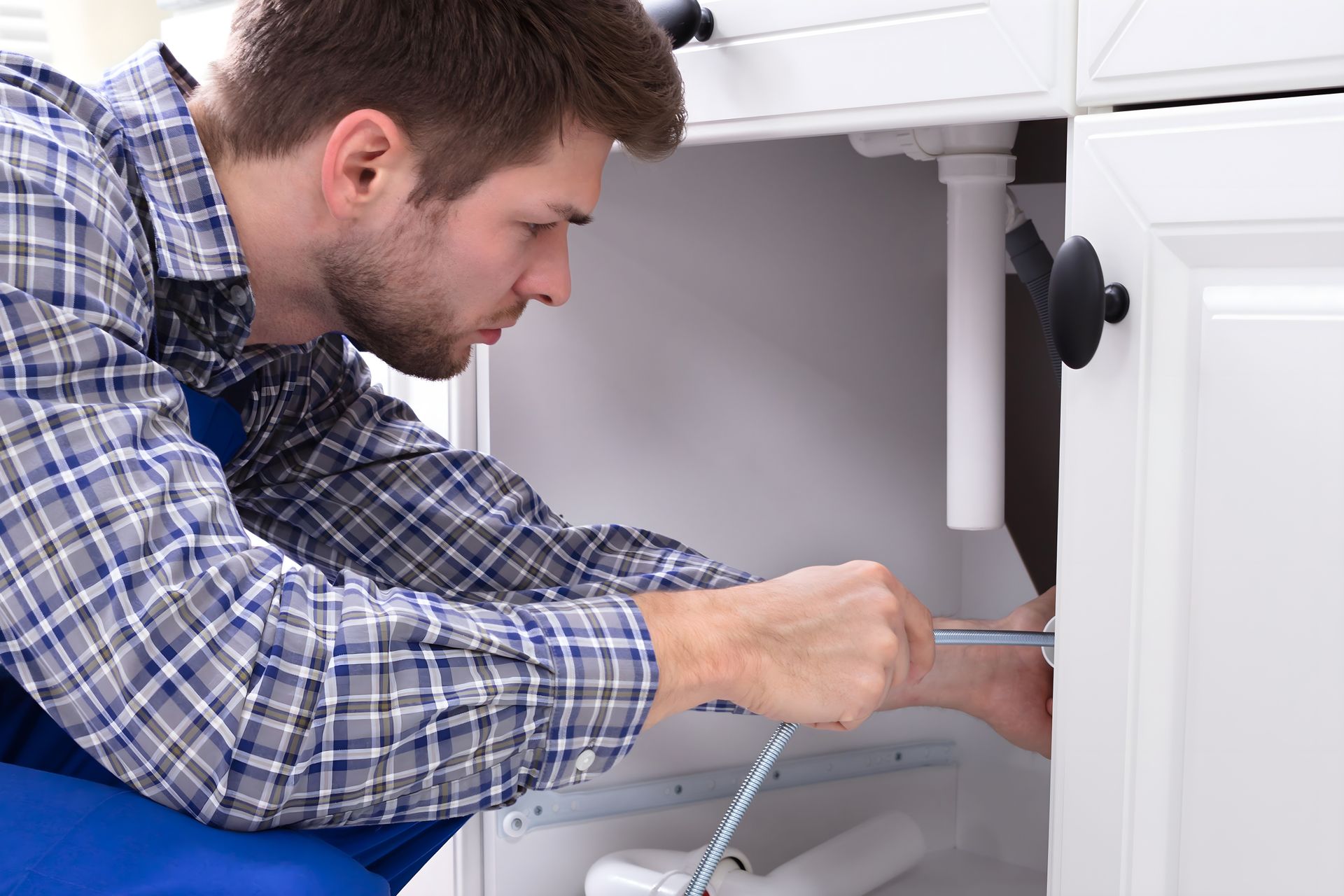
Safe drain care prioritizes mechanical clearing methods over chemical treatments. Using manual drain snakes or plungers effectively dislodges localized clogs without exposing plumbing lines to harmful compounds. Replacing harsh chemical applications with professional mechanical maintenance extends the operational lifespan of home drain systems. Homeowners benefit from safer, long-lasting drainage solutions that prevent unexpected pipe degradation.
Maintaining clear, functional residential plumbing requires awareness of common household hazards and proactive maintenance habits. Avoiding the disposal of grease, food scraps, non-flushable products, and corrosive chemicals protects pipe health and prevents sudden, inconvenient drainage emergencies. Combining careful everyday usage with periodic professional maintenance ensures long-term plumbing reliability and consistent wastewater flow throughout the home.
Professional intervention provides the safest and most effective strategy for resolving persistent drainage problems. Routine inspection care and comprehensive drain cleaning restore optimal wastewater flow while preventing catastrophic structural pipe damage. When you need dependable plumbing solutions to safeguard your home, contact our team today at Scott's Plumbing Company.