May 18, 2026
Maintaining clean and efficient drain and sewer cleaning systems is crucial for any homeowner. The consequences of neglect can be severe, ranging from minor inconveniences to significant property damage. When drain and sewer cleaning issues occur, they can lead to unpleasant odors, health hazards, and costly repairs.
In this article, we will explore key drain and sewer cleaning tips and techniques, discuss preventive maintenance, and delve into the innovations shaping the future of plumbing. By taking proactive steps with drain and sewer cleaning practices, homeowners can safeguard their homes against the pitfalls of neglected plumbing systems. These insights are intended to help maintain long-term system performance and reduce avoidable disruptions.
Fundamental Plumbing Systems Overview
Inspecting the Layout of Your Pipes
The first step in understanding your plumbing system is familiarizing yourself with the layout of your pipes through regular drain and sewer cleaning awareness. The typical home plumbing system comprises various interconnected pipes that facilitate the movement of water in and out of your home. Knowing where these pipes are located can assist you in detecting potential issues early on and supporting effective drain and sewer cleaning practices.
Pipes in residential systems often vary in size, with main sewer lines being wider than those leading to individual fixtures. It is important to understand the pathways these pipes take through your walls, floors, and ceilings, so you can trace issues back to their origin. Regularly observing access points, such as exposed pipes in basements, also supports better drain and sewer cleaning awareness.
Distinguishing Main Sewer Lines and Drain Pipes
Distinguishing between the main sewer line and individual drain pipes is essential for proper drain and sewer cleaning maintenance. The main sewer line is responsible for transporting waste away from the home into the municipal sewage system or a septic tank. It is a critical component of household plumbing that directly affects overall drain and sewer cleaning performance.
These individual drain pipes, on the other hand, connect fixtures such as sinks, toilets, and showers to the main sewer line. Each of these pipes may sometimes become clogged or blocked due to foreign materials, grease, or other debris, which can then affect the main sewer line. Understanding this relationship helps improve drain and sewer cleaning efficiency across the entire system.
Evaluating Materials Used in Plumbing Systems
Plumbing systems are constructed from a variety of materials, each with specific strengths and weaknesses that influence drain and sewer cleaning requirements. Common materials include PVC, copper, PEX, and galvanized steel. PVC is a durable and cost-effective material resistant to corrosion, making it a popular choice for waste lines and drain and sewer cleaning applications.
Recognizing Common Plumbing Problems
Recognizing common plumbing problems early can improve drain and sewer cleaning outcomes and reduce repair costs. Leaks, slow drains, and foul odors are frequent indicators that something may be wrong within the system. For instance, water pooling under sinks or around toilets often signals a leak that needs immediate attention before drain and sewer cleaning issues worsen.
Determining When to Call a Professional
While there are many plumbing solutions available, some situations require professional drain and sewer cleaning intervention. Persistent problems such as recurring clogs, significant leaks, or visible water damage require specialized knowledge and equipment. These issues can escalate quickly if drain and sewer cleaning is not handled properly.
Essential Plumbing Maintenance Tools
Using Essential Hand Tools
Having the right tools is crucial for effective drain and sewer cleaning and general plumbing maintenance. Basic hand tools include a plunger, adjustable wrench, pipe wrench, and pliers. A plunger is often the first tool used when addressing drain and sewer cleaning concerns, as it can quickly dislodge minor blockages.
Applying Plumbing Snakes and Augers
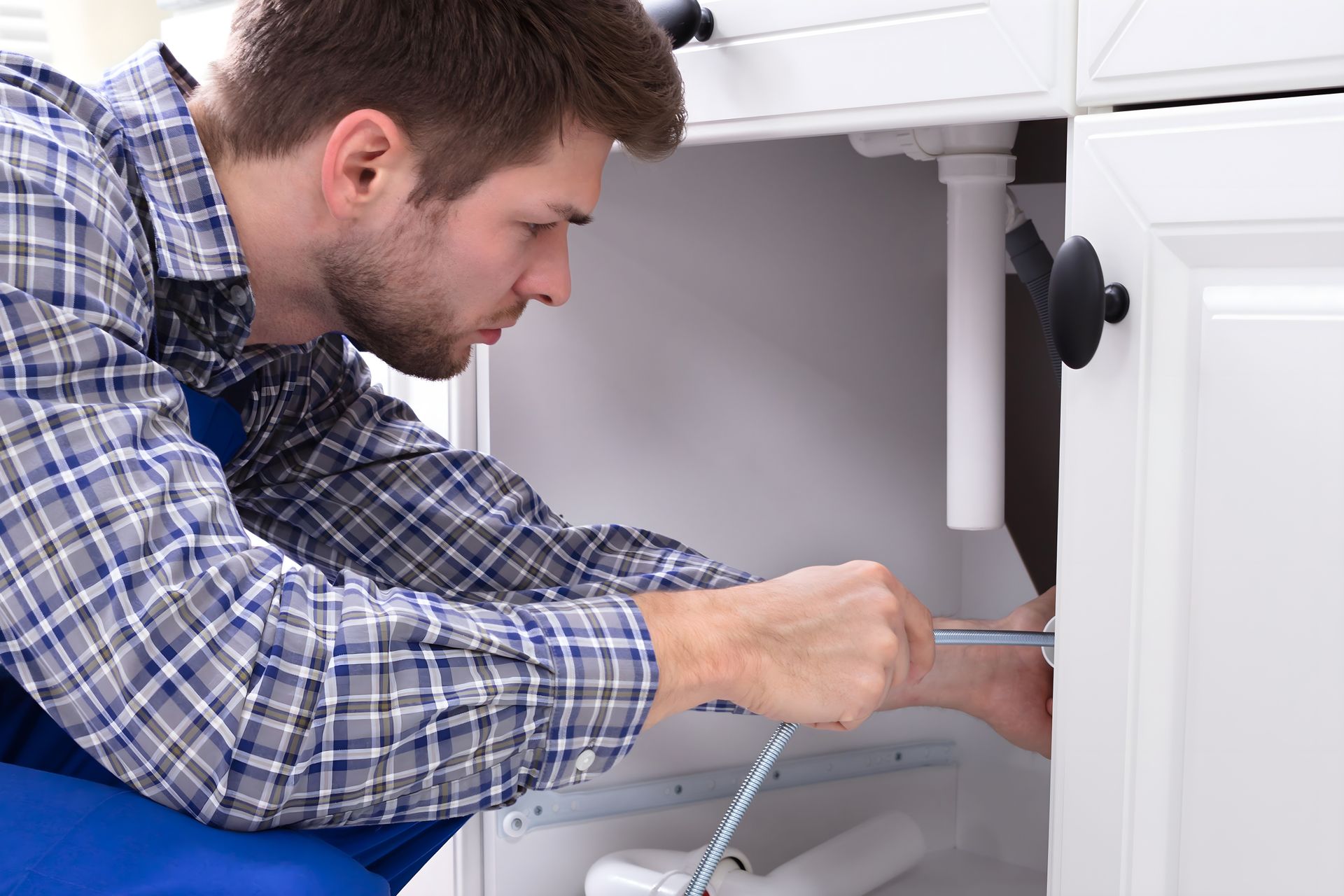
For more stubborn drain and sewer cleaning blockages, plumbing snakes and augers are highly effective. These tools are designed to navigate deeper into pipes and break up tough clogs that plungers cannot reach. Manual drain snakes are commonly used for smaller household drain and sewer cleaning needs.
Operating High-Pressure Water Jetting Tools
High-pressure water jetting is a powerful method used in drain and sewer cleaning to clear severe blockages. It uses a concentrated stream of water to break through grease, sludge, and buildup in pipes. This approach is especially useful in maintaining strong drain and sewer cleaning performance in main sewer lines.
Using Chemical Drain Cleaners Safely
Chemical drain cleaners can assist with drain and sewer cleaning by dissolving certain types of blockages. However, they should be used carefully due to potential impacts on pipe materials. These products are typically most effective for organic buildup such as hair or grease.
Preventive Plumbing Maintenance Practices
Establishing a Regular Inspection and Cleaning Schedule
Establishing a routine inspection and cleaning schedule supports effective drain and sewer cleaning over time. Regular checks help identify early signs of buildup or leaks before they develop into larger issues. Consistent drain and sewer cleaning maintenance reduces the likelihood of major disruptions.
Simple maintenance routines help keep water flowing smoothly throughout the home. These routines also support long-term drain and sewer cleaning performance by preventing buildup accumulation. Staying consistent helps maintain overall system health.
According to Precedence Research, the 30–100 liter segment accounted for 29.4% of total revenue in 2025, and the residential sector held 55% of revenue in 2025.
Installing Mesh Screens to Prevent Blockages
Mesh screens help prevent debris from entering pipes and support ongoing drain and sewer cleaning efficiency. They are commonly used in sinks and shower drains to reduce buildup. This simple addition helps improve overall drain and sewer cleaning outcomes.
Practicing Proper Waste and Grease Disposal
Proper disposal habits are essential for maintaining effective drain and sewer cleaning systems. Grease, oils, and non-biodegradable items can create buildup that restricts flow over time. Good disposal practices help reduce strain on drain and sewer cleaning processes.
Common Drain and Sewer Issues
Clearing Kitchen Sink Obstructions
Kitchen sink clogs are often caused by grease and food buildup that interfere with drain and sewer cleaning performance. Proper disposal habits help reduce the frequency of these issues. Regular drain and sewer cleaning maintenance can also prevent buildup from forming.
Removing Bathroom Drain Blockages
Bathroom drains frequently experience clogs caused by hair and soap buildup that affect drain and sewer cleaning efficiency. Installing drain screens can help reduce these occurrences. Routine maintenance supports more consistent drain and sewer cleaning performance.
Maintaining External Drain Pipes
External drains can become blocked by leaves, debris, and roots that disrupt drain and sewer cleaning systems. Regular inspection helps maintain proper flow and reduces buildup risks. In more serious cases involving root intrusion, professional inspection and sewer line repair or replacement may be required to restore system function and support effective drain and sewer cleaning.
Serious Plumbing Issue Indicators
Identifying Warning Signs of Pipe Damage or Leaks
Water stains, mold growth, and unexpected increases in water usage may indicate hidden issues affecting drain and sewer cleaning systems. These signs should be addressed promptly to avoid further complications. Early detection supports better drain and sewer cleaning outcomes.
Detecting Signs of Tree Root Intrusion
This type of tree root intrusion can cause recurring clogs and slow drainage that interfere with drain and sewer cleaning performance. These issues may require professional evaluation to prevent further damage. In these cases, sewer line repair or replacement may be necessary to restore proper drain and sewer cleaning function.
The services and guidance outlined in this article reflect typical residential and commercial plumbing maintenance and drain care practices, including drain cleaning, sewer line services, water heater work, gas line services, and related plumbing repairs. To learn more about these services and how they can support our property's plumbing needs, reach out to Scott's Plumbing Company.