February 23, 2026
Tankless water heaters have become an increasingly popular choice for homeowners looking to improve efficiency, reduce energy costs, and enjoy consistent access to hot water. Unlike traditional systems that store and reheat a tank of water, tankless units heat water only when needed. This difference changes not only how hot water is delivered but also how homeowners think about long-term costs, maintenance, and performance. Understanding how these systems work and whether they align with household needs is essential before making the switch. This growing interest reflects a broader shift toward smarter, more energy-efficient home systems.
For many households, choosing the right system also means considering installation requirements, maintenance expectations, and overall reliability. Professional guidance and dependable water heater services can make the decision-making process much easier, helping homeowners evaluate whether tankless technology truly fits their lifestyle and property setup. Experienced technicians can also identify potential challenges before installation begins. This proactive approach helps prevent costly surprises later.
Understand How Tankless Water Heaters Work
Tankless water heaters, often called on-demand systems, generate hot water only when a tap is turned on. Cold water enters the unit and is heated rapidly using either electric elements or gas burners. Because water is not stored, standby heat loss is eliminated, improving energy efficiency compared to traditional tanks. This immediate heating process allows homeowners to enjoy continuous hot water without waiting for a tank to refill.
These systems do have limitations tied to flow rate. Most tankless units deliver between two and five gallons per minute, which means multiple simultaneous uses can strain performance. Proper sizing is critical, and reliable water heater services often begin with evaluating household demand to ensure consistent results. Careful planning helps homeowners avoid performance frustrations after installation.
Compare Tank and Tankless Systems
Traditional water heaters continuously heat a tank of stored water, which leads to energy loss over time. Tankless systems, in contrast, heat water only when needed. This allows homeowners to avoid the wait time associated with tank refilling while also reducing energy consumption. It also helps lower monthly utility expenses over the long term.
However, larger households may need higher-capacity units or multiple systems to meet peak usage. Working with experienced water heater services providers helps ensure homeowners select equipment capable of handling real-world demand without performance issues. This professional input often makes the difference between a successful upgrade and ongoing limitations.
Evaluate Types of Tankless Units
Tankless water heaters are available in electric and gas models. Electric systems are typically easier to install and highly energy efficient, making them suitable for smaller homes or moderate usage needs. Gas units generally support higher flow rates, making them better suited for larger households. Each type offers unique benefits depending on energy availability and usage patterns.
Each option involves different installation requirements, such as electrical capacity or ventilation needs. Professional water heater services often include a detailed assessment of energy infrastructure to determine which type is most practical and cost-effective. This evaluation ensures that homeowners choose a system that aligns with both safety and performance goals.
Assess Flow Rate and Performance Needs
Flow rate plays a major role in tankless performance. Exceeding a unit’s gallons-per-minute rating can result in fluctuating temperatures or reduced output. Families with high demand may need larger units or multiple systems to maintain consistent water availability. Proper sizing ensures comfort during daily routines.
A professional evaluation of peak usage patterns helps prevent these issues. By analyzing household habits, water heater services providers can recommend solutions that ensure reliable performance even during busy periods. This personalized planning helps homeowners maximize the value of their investment.
Consider Installation Requirements
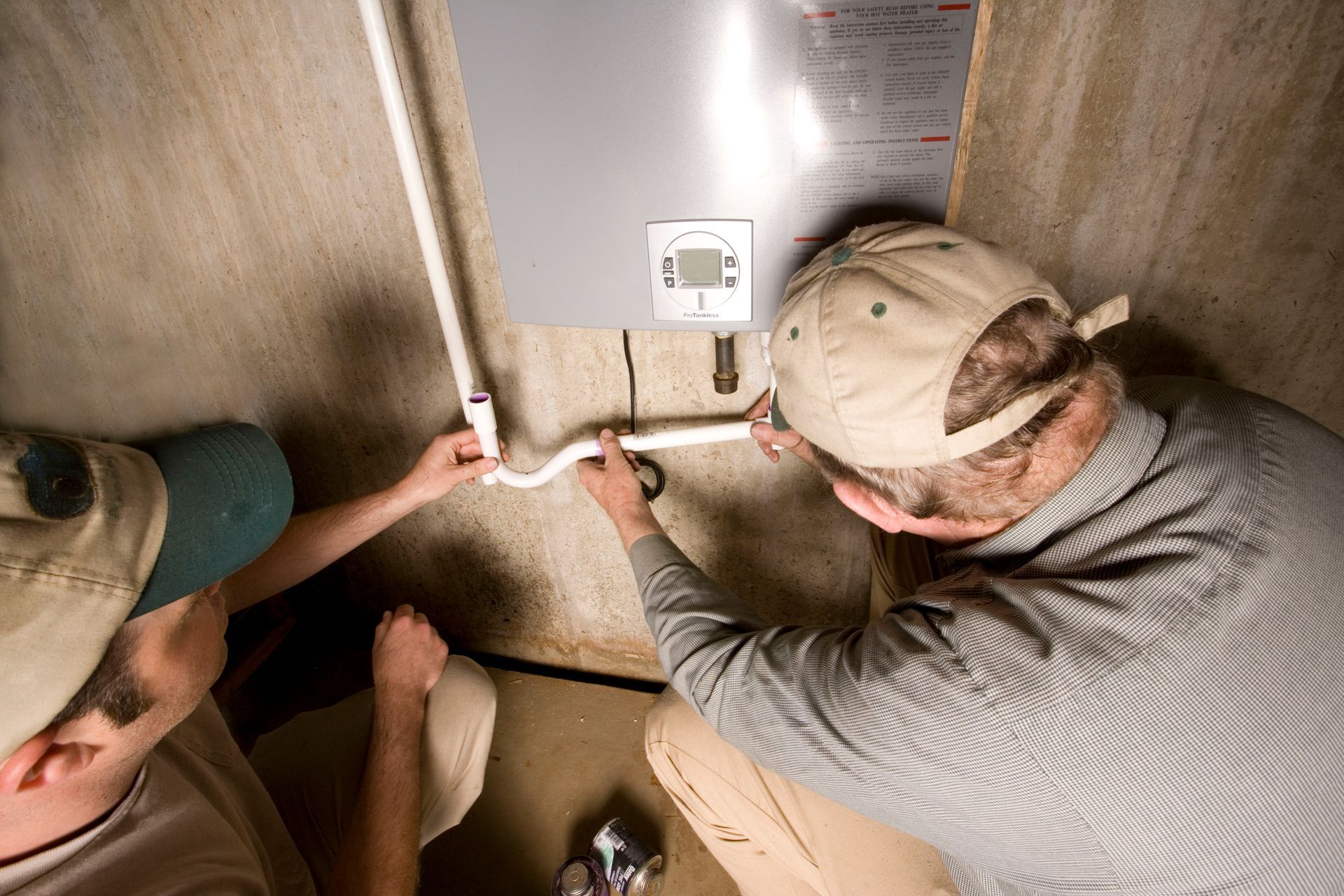
Installing a tankless water heater often requires upgrades to plumbing, electrical, or gas systems. Electric units may need dedicated circuits, while gas systems require ventilation and adequate fuel supply. These upgrades are essential for safe and efficient operation.
Despite these requirements, tankless systems offer flexibility in placement because they are compact and wall-mounted. Reliable water heater services ensure installations meet safety standards and function efficiently within existing home infrastructure. Proper installation also helps prevent future maintenance concerns.
Analyze Costs and Financial Considerations
Tankless water heaters typically cost more upfront than traditional tank models. Installation expenses may also increase if significant system modifications are needed. However, long-term savings from reduced energy use often offset the initial investment. Many homeowners view the upgrade as a strategic long-term decision.
Homeowners frequently find that ongoing efficiency benefits justify the higher purchase price. Professional water heater services can provide cost comparisons and help homeowners understand total ownership expenses rather than focusing only on initial costs. This broader perspective helps ensure confident decision-making.
Examine Energy Savings and Longevity
One of the biggest advantages of tankless systems is their lifespan. According to the U.S. Department of Energy, tankless water heaters can last more than 20 years, compared to storage water heaters that will need to be replaced after 10 to 15 years. This extended durability significantly reduces replacement costs over time. It also contributes to greater long-term reliability.
Because these systems operate only when needed, they also reduce energy consumption and utility bills. With proper maintenance and regular water heater services, homeowners can maximize both efficiency and longevity. Consistent upkeep plays a key role in preserving performance.
Understand Environmental Benefits
Tankless water heaters contribute to environmental sustainability by reducing energy use and minimizing standby heat loss. Their efficient operation lowers greenhouse gas emissions associated with electricity or fuel consumption. This makes them appealing for environmentally conscious households.
These systems also align with modern energy-efficient home designs, supporting reduced resource consumption while maintaining strong performance. Regular water heater services help keep systems operating at peak efficiency, further enhancing environmental benefits. This ensures sustainability goals are supported over time.
Plan for Maintenance and Reliability
Tankless systems require periodic maintenance, especially in areas with hard water. Descaling, filter cleaning, and system inspections help prevent mineral buildup and ensure consistent heating performance. These steps protect system efficiency and reliability.
Routine care extends equipment lifespan and maintains efficiency. Many homeowners rely on professional water heater services to schedule regular maintenance and identify potential issues before they become costly repairs. Preventive care ultimately reduces long-term ownership costs.
Evaluate Household Suitability
Tankless water heaters work best in homes where demand patterns align with system capacity. Smaller households benefit from energy savings and continuous hot water supply, while larger families may require multiple units to meet usage needs. Proper planning ensures expectations match capabilities.
Climate conditions, home size, and water consumption patterns also influence suitability. A comprehensive assessment from experienced
water heater services professionals helps homeowners determine whether tankless technology is the right fit. This evaluation helps avoid underperforming installations.
Tankless water heaters offer impressive advantages, including energy efficiency, long service life, and consistent hot water availability. They are especially appealing for homeowners seeking reduced utility costs and modern, space-saving equipment. Installation requirements, upfront costs, and flow rate limitations must be carefully evaluated before making a decision. Working with experienced professionals helps ensure the system is properly sized and installed for optimal performance.
At Scott’s Plumbing Company, we have proudly served the Knoxville, TN area since 1977, providing dependable solutions backed by decades of hands-on experience. Our team offers 24/7 emergency support along with expert installation, repair, and maintenance services for tank and tankless systems. We take the time to evaluate your home, explain your options clearly, and recommend solutions that fit your needs. Contact Scott’s Plumbing Company today to schedule an assessment and let us help you enjoy reliable hot water with confidence.